Digital Evolution in the Chinese Market — From Traditional CMS to Xentent DXP
Architecture changes, migration pathway, core value propositions, and parity advantages of moving from legacy platforms to a cloud-native digital experience platform.
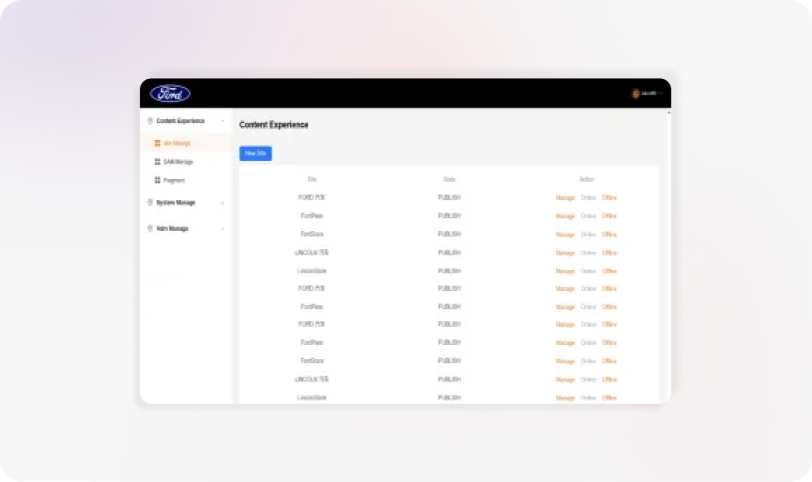
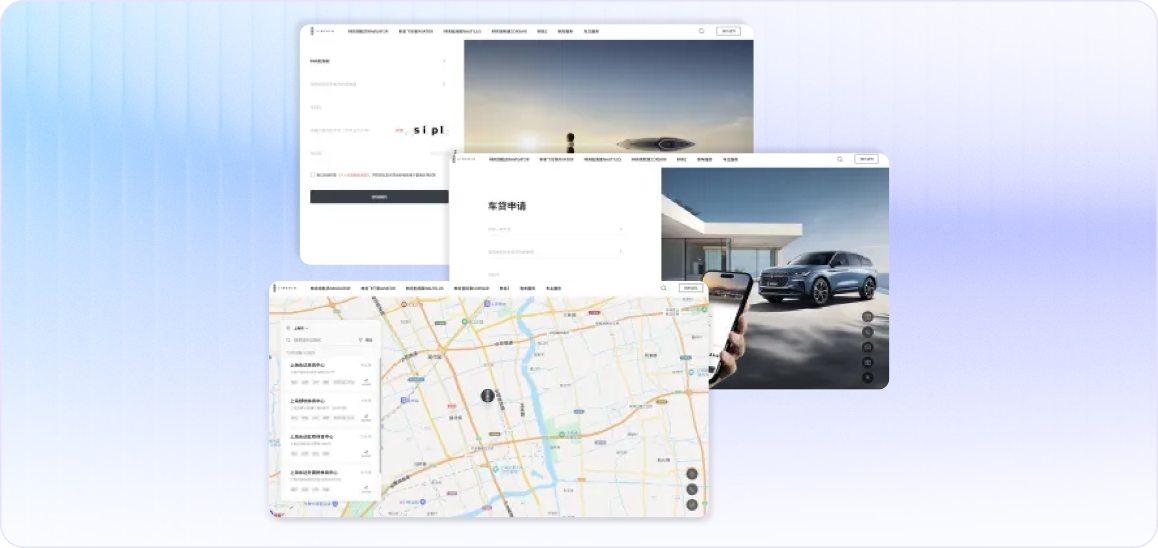
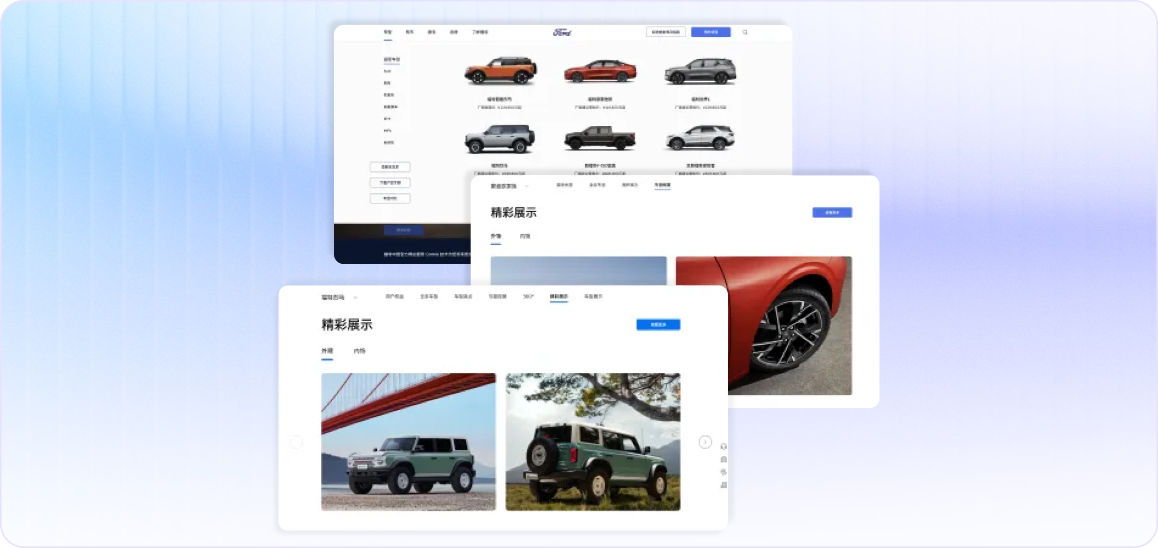
As a globally leading automobile manufacturer, the company and its luxury brand faced numerous challenges stemming from traditional content management approaches during their digital transformation in the Chinese market. To build a more agile, efficient, and unified digital experience, the company and its luxury brand jointly opted for a comprehensive digital reconstruction and upgrade based on the Longfu Development Foundation (DragonArch) and the Xentent Digital Experience Platform (Xentent DXP). This article provides an in-depth analysis of this digital evolution, exploring architectural changes, core value propositions, and parity advantages associated with migrating from traditional models (e.g., Adobe AEM) to Xentent DXP.
For enterprises previously reliant on large-scale traditional CMS systems such as Adobe AEM, migration to Xentent DXP represents far more than a simple tool replacement—it signifies a holistic architectural evolution toward cloud-native, agile paradigms. Leveraging Xentent DXP's Content Management System (CMS) and Digital Asset Management (DAM) capabilities, the following outlines a typical migration pathway and architectural transformation analysis.
I. Migration Steps Breakdown
Migrating from traditional systems like Adobe AEM to Xentent DXP typically follows a structured, phased implementation strategy:
Phase One: Asset and Content Inventory & Assessment. Conduct a comprehensive inventory of all digital assets (images, videos, documents, etc.) and structured content (pages, components, fragments) within the existing AEM system. Assess the reusability value of content and formulate cleaning and restructuring strategies.
Phase Two: Underlying Architecture and Environment Deployment. Build foundational infrastructure leveraging Xentent DXP's cloud-native, containerized architecture. Supports cross-cloud deployment across Alibaba Cloud, Tencent Cloud, AWS, and others—ensuring system flexibility and high availability.
Phase Three: Seamless Data and Asset Migration. Utilize Xentent DXP's external system integration capabilities to securely and efficiently migrate massive AEM media libraries and content data into the Xentent system. Xentent's DAM module supports multi-cloud asset storage and centralized management, guaranteeing data integrity throughout migration.
Phase Four: Component Restructuring and Template Mapping. Map custom components originally developed in AEM to Xentent DXP's standardized component library. Xentent offers a rich set of customizable components and templates, supporting on-demand composition and flexible configuration. For specialized business requirements, agile custom development is enabled via the Longfu Development Foundation.
Phase Five: Multi-Site and Unified Permission Configuration. Address the company's multi-site and multi-brand needs by configuring unified management permissions and operational environments within Xentent. Leverage Xentent's Live Copy and component sharing features to enable rapid deployment and content synchronization across multiple brand sites.
Phase Six: Testing, Optimization, and Go-Live. Conduct comprehensive functional testing, performance stress testing, and SEO/GEO optimization. Xentent DXP supports server-side rendering (SSR) and one-click preview, ensuring pre-launch content presentation quality.
II. Core Architectural Changes
Following migration to Xentent DXP, the system's underlying architecture undergoes significant evolution:
- Transition from monolithic/heavyweight architecture to cloud-native microservices architecture. Traditional systems such as AEM often feature heavyweight architectures with high deployment and upgrade costs. Xentent DXP adopts a cloud-native, containerized architecture supporting microservice decomposition—eliminating single points of failure and enabling second-level scaling to dynamically match business loads, thereby substantially improving resource utilization.
- Evolution from traditional CMS to dual-mode (Headed/Headless) architecture. Xentent DXP supports both traditional (Headed) and headless (Headless) delivery modes. In Headless mode, API-driven content delivery enables greater flexibility for adapting to diverse endpoints—including mobile apps, IoT devices, and in-vehicle infotainment systems—achieving full decoupling between content and presentation layers.
- Native AI Integration. Unlike traditional systems that bolt on AI functionality as an afterthought, Xentent DXP achieves deep, native integration of AI at the foundational CMS/DAM architecture level. From AI-powered writing optimization and multimodal AI search to compliance and security scanning, AI permeates the entire content creation and management lifecycle.
III. Pre- vs. Post-Migration Comparative Analysis: Operational Optimization and Technical Improvements
The migration to Xentent DXP delivers tangible enhancements in operational cost-efficiency and technical performance. Below is a core comparative analysis before and after migration:
| Comparison Dimension | Pre-Migration (Traditional Model / e.g., AEM) | Post-Migration (Xentent DXP) | Key Improvement Points and Optimization Value |
|---|
| Deployment and Architecture Cost | Heavyweight architecture with high hardware resource consumption; long, costly scaling cycles. | Cloud-native containerized deployment with high resource utilization and second-level dynamic scaling capability. | Technical Improvement: Significantly reduces hardware and operations costs while enhancing system elasticity and high availability. |
| Licensing and Usage Fees | Expensive licensing fees from international vendors, often tiered by user count or traffic volume. | Highly cost-effective domestic alternative with flexible licensing models and substantially lower total cost of ownership (TCO). | Operational Optimization: Frees up substantial IT budget for investment in higher-priority marketing initiatives. |
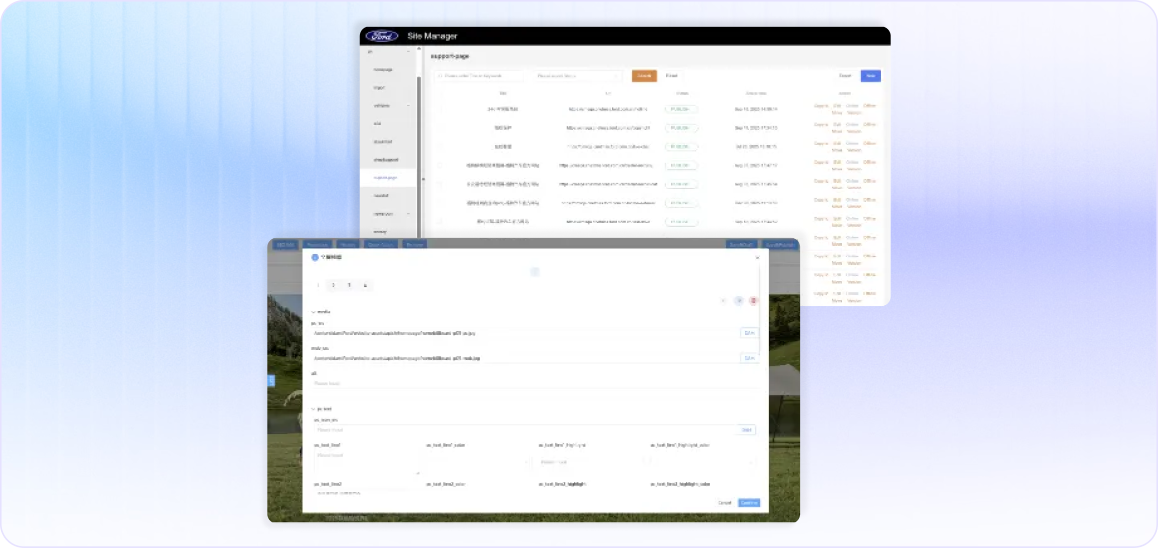
| Content Production and Publishing Efficiency | Heavily dependent on IT personnel for page building and modifications; slow business response cycles (weeks). | WYSIWYG visual editing enabling business users to autonomously drag-and-drop components for rapid site creation. | Operational Optimization: Lowers technical barriers and shortens time-to-market (to days—or even hours). |
| Digital Asset Management (DAM) | Assets scattered across silos; difficult cross-departmental/cross-regional collaboration; low search efficiency. | Unified cross-cloud storage supporting AI-powered multimodal search, real-time online editing, and multi-tier permission controls. | Technical Improvement: Enables "single-source, multi-use" asset governance, enhancing cross-border and cross-departmental collaboration efficiency. |
| Multi-Channel Content Distribution | Content often duplicated per endpoint (PC, App), resulting in poor consistency. | Structured content via JSON fragments and headless architecture enable 'produce once, distribute everywhere' via APIs. | Technical Improvement: Ensures consistent cross-channel experiences and dramatically improves content reuse rates. |
| Localization Support and Responsiveness | Limited local support from international vendors; slow turnaround for custom development. | Focused on Chinese enterprises' digital needs, delivering flexible customization solutions and agile implementation services. | Operational Optimization: Reduces communication overhead and accelerates business requirement implementation with higher contextual relevance. |
IV. Conclusion: Core Advantages of Xentent DXP as a Parity Replacement for Adobe AEM
Based on the automaker's digital practice and Xentent DXP's product characteristics, Xentent DXP has proven itself a high-quality "parity replacement" for expensive international vendor solutions like Adobe AEM. Its core advantages can be summarized as follows:
First, exceptional cost-effectiveness and flexible deployment options. Xentent DXP breaks down the prohibitive licensing barriers imposed by international vendors, offering a highly cost-effective domestic alternative. Its cloud-native, containerized architecture not only lowers hardware costs but also supports flexible deployment models—including private cloud and multi-cloud configurations—perfectly meeting enterprise dual demands for data security and cost control.
Second, agile operational capabilities tailored specifically for Chinese enterprises. Unlike traditional heavyweight CMS platforms, Xentent DXP emphasizes "WYSIWYG editing" and low learning curves. Through abundant component-based templates and adaptable workflows, it truly empowers business teams with publishing authority—greatly accelerating marketing campaign responsiveness to meet the fast-paced commercial rhythm of the Chinese market.
Third, AI-native intelligent content and asset management. Xentent DXP deeply embeds AI capabilities into the foundational CMS and DAM layers. Whether AI-assisted intelligent writing optimization, AI-enhanced SEO/GEO optimization, or multimodal instant search and intelligent classification within the DAM module, all significantly elevate content production quality and asset retrieval efficiency.
Fourth, future-ready omnichannel extensibility. By supporting both Headed and Headless delivery modes—and through visual, structured editing of JSON fragments—Xentent DXP establishes a powerful content hub. It not only fully meets current website and app requirements but also lays robust technical groundwork for seamless future integration with emerging touchpoints including in-vehicle systems, IoT devices, AR/VR, and more.
In summary, Xentent DXP is far more than a content management tool—it is a strategic foundation for enterprises to build agile, efficient, and globally scalable digital marketing systems. For organizations pursuing digital transformation, cost optimization, and operational efficiency, Xentent DXP stands out as a highly competitive, top-tier solution in today's market.